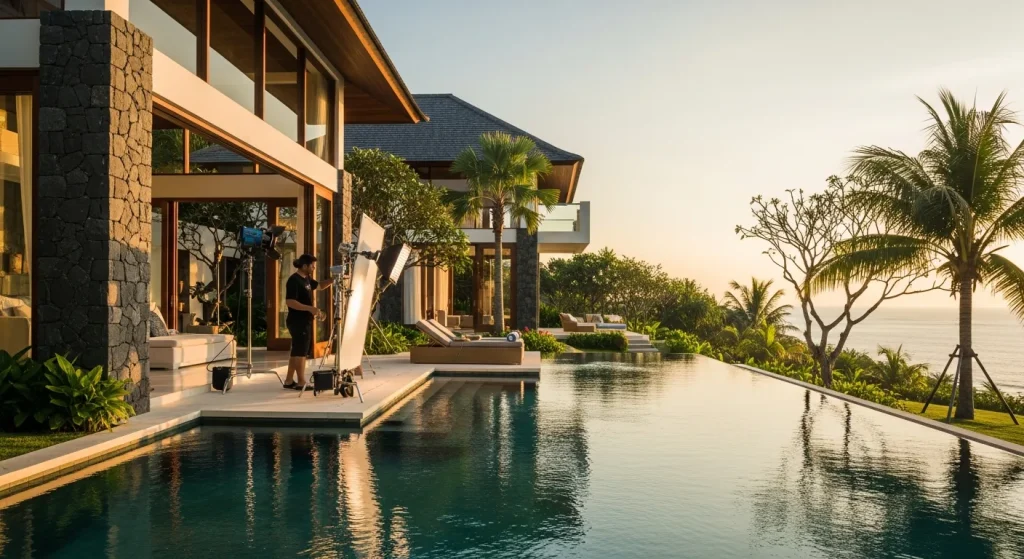
Sumba Eco Investment ROI yield analysis confirms Sumba is Indonesia’s next sustainable luxury and eco-investment frontier. Capital is shifting from saturated Bali towards eco-resorts, boutique villas, and land banking, especially in West/Southwest Sumba, with high-potential opportunities in sustainable tourism, real estate, and agriculture.
Sumba Eco Investment ROI Yield Analysis
Sumba Eco Investment provides advisory services for foreign and domestic investors targeting sustainable luxury and eco-investment opportunities in Sumba, Indonesia. This analysis focuses on the return on investment (ROI) and yield potential within Sumba’s rapidly emerging tourism and real estate market, positioning it as a strategic alternative to mature markets such as Bali.
1. Market Size & Growth (2026–2027)
While a specific “Sumba eco-investment” market size figure is not yet established, multiple indicators confirm early-stage, high-growth dynamics:
- Indonesia Tourism & Investment Baseline: Indonesia’s total investment, encompassing both domestic and foreign capital, reached IDR 892.4 trillion in January–September 2022 across all sectors. Tourism and hospitality are recognised as priority sectors within national and regional development plans, benefiting from dedicated incentives for sustainable projects.
- Shift of Capital from Bali to Sumba/Lombok: As of 2026, foreign investors are increasingly allocating capital toward emerging regions east of Bali—notably Lombok and Sumba—driven by cost advantages, growing infrastructure, and shifting tourism demand. Sumba is described as an “emerging luxury investment zone for 2026” and a strategic alternative to both Bali and Lombok. This trend represents a significant opportunity for Sumba Bali investment alternative strategies.
- Growth Drivers Specific to Sumba: Improved flight access, including daily flights between Bali and Tambolaka, upgraded infrastructure in West Sumba, and the development of new eco-resorts and boutique villa projects over the past five years are key catalysts. Sumba is rapidly gaining attention as Indonesia’s next major destination for tourism, hospitality, and eco‑investments, presenting high-potential opportunities in sustainable tourism, real estate, and agriculture.
Given its frontier status, Sumba’s tourism and real estate capital volume remains modest compared to Bali. However, growth rates are high due to land prices being significantly below Bali/Lombok yet appreciating steadily, particularly in West/Southwest Sumba. Global eco-tourism trends further bolster Sumba’s appeal as a Sumba sustainable investment destination.
2. Sumba Real Estate Investment: Asset Classes & Returns
Sumba offers diverse real estate investment opportunities, with varying ROI profiles:
- Land Banking (West/Southwest Sumba): This strategy involves acquiring undeveloped land with the expectation of future appreciation. Land prices in West/Southwest Sumba are currently more accessible than in Bali, offering substantial capital gains potential as infrastructure and tourism develop. This is a primary focus for Sumba land investment.
- Eco-Resorts & Boutique Villas: Sumba eco resort investment and Sumba luxury villa investment are gaining traction. These properties cater to the growing demand for sustainable luxury travel. Returns are generated through high occupancy rates and premium pricing. Sumba eco projects and Sumba eco villas are seeing increased interest.
- Beachfront Land & Developments: Sumba beachfront investment opportunities, particularly Sumba beachfront land, offer significant appreciation potential. Developments such as Eco Beach City Sumba and Eco Beach Village Sumba are examples of projects capitalising on prime coastal locations.
- Off-Plan Property: Investing in Sumba off plan property can offer attractive entry prices and capital appreciation upon completion, particularly for Sumba eco property and Sumba eco resort Sumba Island developments.
3. Investment Horizons & Risk Factors
Sumba investment opportunities generally present medium-to-long term horizons (5–10+ years) for substantial ROI. Short-term gains are possible but less predictable. Key risk factors include:
- Infrastructure Development Pace: While improving, infrastructure development can be slower than in more established markets.
- Regulatory Environment: Navigating local regulations requires expert guidance.
- Market Liquidity: As an emerging market, Sumba’s real estate market can have lower liquidity compared to Bali.
Sumba Eco Investment mitigates these risks through thorough due diligence and local expertise, focusing on Sumba sustainable investment and Sumba green investment opportunities.
4. Comparative Analysis: Sumba vs. Bali/Lombok
The following table provides a comparative overview relevant to Sumba hotel investment, Sumba resort investment, and Sumba land banking, illustrating why Sumba is an attractive Sumba Indonesia investment destination:
| Factor | Sumba (Emerging) | Bali (Mature) | Lombok (Developing) |
|---|---|---|---|
| Land Prices | Lower entry, high appreciation potential | High, limited appreciation headroom | Medium, moderate appreciation |
| Tourism Type | Sustainable luxury, eco-tourism | Mass tourism, luxury, diverse | Adventure, surf, eco-tourism |
| Infrastructure | Developing, improving rapidly in key areas | Well-established, dense | Improving, focused on Mandalika |
| Investor Profile | Long-term, impact-focused, first-movers | Established, short-term rental, diverse | Medium-term, growth-focused |
| ROI Potential | High capital appreciation, strong yield growth | Stable yields, lower capital appreciation | Moderate capital appreciation and yields |
| Market Saturation | Low | High | Medium |
5. Sumba Eco Development & Sustainable Investment
Sumba Eco Investment focuses on projects that align with sustainable development principles. This includes Sumba eco development projects, Sumba eco resort investment, and Sumba green investment. Such projects often benefit from government incentives and appeal to a growing segment of environmentally conscious investors and tourists. The emphasis on sustainability ensures long-term viability and positive community impact, critical for Sumba eco projects and Sumba eco property.
What You Get: Sumba Eco Investment Advisory
Our advisory services for Sumba real estate investment offer:
- Market Intelligence: Detailed reports on Sumba’s economic indicators, tourism trends, and real estate performance, including specific insights into West Sumba and Southwest Sumba.
- Property Sourcing: Access to exclusive Sumba land investment opportunities, including Sumba beachfront land, Sumba eco villas, and Sumba luxury villa investment properties, often before they reach the wider market.
- Due Diligence & Legal Support: Comprehensive checks on land titles, zoning regulations, and local permits, ensuring secure transactions for Sumba property investment.
- Financial Modelling: Customised ROI and yield projections for Sumba eco resort investment, Sumba hotel investment, and Sumba resort investment, factoring in local market dynamics.
- Development & Project Management: Guidance on Sumba eco development and Sumba eco resort Sumba Island projects, from conceptualisation to operationalisation.
- Exit Strategy Planning: Advice on optimising returns upon divestment from Sumba land banking or other Sumba eco projects.
Who This Is For
Our services are tailored for:
- Investors: Seeking high-growth, emerging market opportunities in sustainable tourism and real estate.
- Family Offices: Looking to diversify portfolios into impact investments with strong capital appreciation potential.
- HNW Buyers: Interested in luxury eco-villas, private estates, or beachfront land in an exclusive, developing destination.
- Funds: Targeting strategic Sumba real estate investment and Sumba sustainable investment projects with significant long-term ROI.
Frequently Asked Questions
What makes Sumba a compelling investment destination?
Sumba is emerging as Indonesia’s next sustainable luxury and eco-investment frontier due to its pristine natural environment, growing infrastructure, lower land prices compared to Bali, and a strategic shift of capital towards eco-resorts and boutique villas. It offers high-growth dynamics for long-term investors.
What types of properties offer the best ROI in Sumba?
Land banking, particularly in West and Southwest Sumba, offers significant capital appreciation potential. Eco-resorts, boutique villas, and beachfront properties also provide strong returns through premium rental yields and increasing property values, aligning with Sumba eco resort investment and Sumba luxury villa investment trends.
What are the primary risks associated with Sumba real estate investment?
Primary risks include the pace of infrastructure development, navigating local regulatory environments, and potentially lower market liquidity compared to mature markets. Sumba Eco Investment mitigates these through rigorous due diligence and expert local knowledge.
How does Sumba compare to Bali or Lombok for investors?
Sumba offers a less saturated market with lower entry costs and higher capital appreciation potential, especially for sustainable luxury and eco-tourism projects. Bali is mature with stable but lower appreciation, while Lombok is developing with moderate growth. Sumba is a strategic Sumba Bali investment alternative for long-term, impact-focused investors.
Sumba Eco Investment provides the expertise and local insight required to navigate this dynamic market effectively. For a detailed discussion on Sumba real estate investment and to explore bespoke opportunities, you may book an investment consultation on WhatsApp or contact us via email at sales@indonesiajuara.asia.