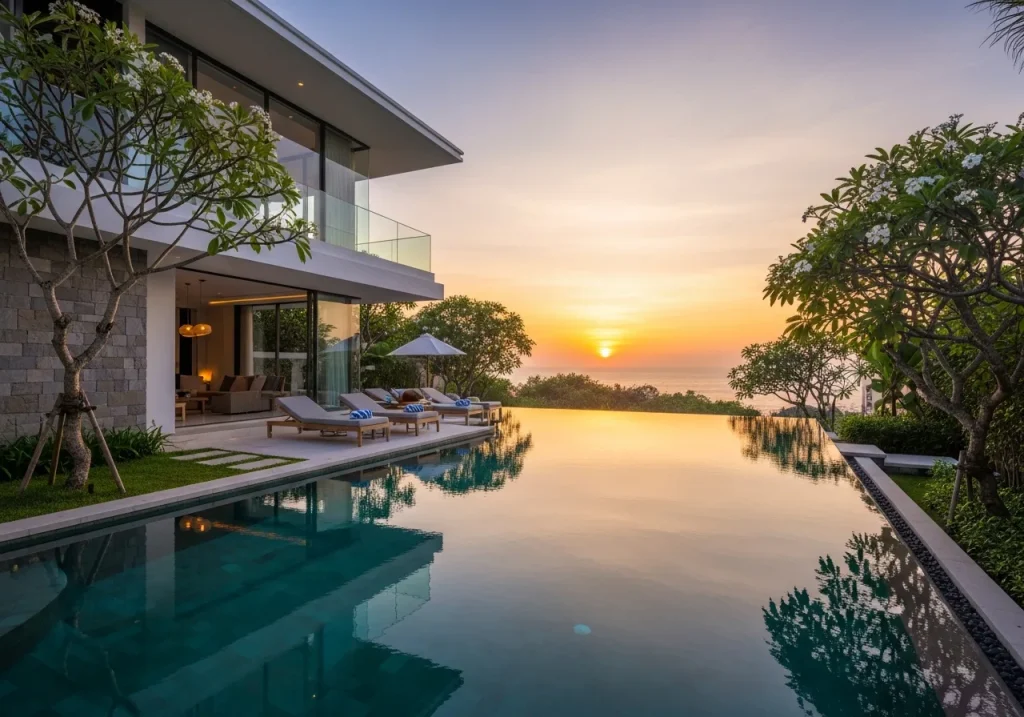
Sumba is establishing itself as Indonesia’s next frontier for sustainable luxury and eco-investment, attracting capital from Bali’s mature market. This shift, prominent in 2026–2027, targets eco-resorts, boutique villas, and land banking, particularly in West and Southwest Sumba, with East Sumba offering longer-term potential.
From Off-Plan to Finish: Building an Eco-Villa in Sumba in 2027 — A How-To Timeline
Sumba is emerging as Indonesia’s next sustainable luxury and eco-investment frontier. The island presents a rapidly growing market, positioned downstream of Bali’s established tourism and real estate ecosystem. By 2026–2027, capital is demonstrably shifting from saturated Bali towards eco-resorts, boutique villas, and strategic land banking in Sumba. This trend is particularly pronounced in West and Southwest Sumba, while East Sumba is being recognised as a longer-horizon growth engine.
For investors, family offices, HNW buyers, and funds considering an eco-villa development in Sumba in 2027, a structured approach from off-plan conception to final completion is essential. This guide outlines a practical timeline for building an eco-villa, focusing on the specific market dynamics and regulatory environment prevalent in Sumba.
1. Market Context and Investment Thesis (Q4 2026 – Q1 2027)
Understanding the market landscape is the foundational step. While a single official “Sumba eco-investment” market size figure does not exist, multiple indicators point to an early-stage, high-growth environment:
Indonesia Tourism & Investment Baseline
- Indonesia’s total investment (domestic + foreign) reached IDR 892.4 trillion in Jan–Sep 2022 across all sectors.
- Tourism and hospitality are priority sectors under national and regional development plans, benefiting from dedicated incentives for sustainable projects.
Shift of Capital from Bali to Sumba/Lombok
As of 2026, foreign investors are increasingly allocating capital towards emerging regions east of Bali — notably Lombok and Sumba. This is driven by cost advantages, improving infrastructure, and evolving tourism demand. Sumba is specifically identified as an “emerging luxury investment zone for 2026” and a strategic alternative to both Bali and Lombok.
Growth Drivers Specific to Sumba
Sumba’s appeal is enhanced by improved flight access, with daily flights from Bali to Tambolaka, upgraded infrastructure in West Sumba, and the development of new eco-resorts and boutique villa projects over the past five years. Sumba is rapidly gaining attention as Indonesia’s next major destination for tourism, hospitality, and eco-investments, offering high-potential opportunities in sustainable tourism, real estate, and agriculture.
Given its frontier status, Sumba’s tourism and real estate capital volume remains modest compared to Bali. However, growth rates are high due to land prices being significantly below Bali and Lombok, yet appreciating steadily, particularly in West and Southwest Sumba. Global eco-tourism trends further bolster this growth.
2. Site Selection and Due Diligence (Q1 – Q2 2027)
Identifying and securing the right plot of land is a critical phase. This requires rigorous due diligence to mitigate risks and ensure compliance.
Land Acquisition Strategy
Focus on West and Southwest Sumba for immediate appreciation potential. Consider East Sumba for longer-term land banking. Land prices are appreciating, making timely acquisition important. Engage local experts for land title verification and negotiation. Ensure the land is zoned for tourism or residential development, aligning with eco-villa construction.
Legal and Regulatory Compliance
- Land Title Verification: Confirm legal ownership and absence of disputes. The Indonesian land registry system requires thorough checks.
- Zoning Regulations: Verify that the chosen plot is suitable for commercial or residential development under local spatial plans (Rencana Tata Ruang Wilayah – RTRW).
- Environmental Impact Assessment (EIA): For eco-villas, a comprehensive EIA (AMDAL or UKL-UPL, depending on project scale) is mandatory. This ensures adherence to sustainable development principles and avoids future regulatory issues.
- Foreign Ownership Structures: Foreign investors typically utilise a Leasehold (Hak Sewa) or Right to Build (Hak Guna Bangunan – HGB) structure. Consult legal counsel to establish the most secure and appropriate structure for the investment.
3. Design and Planning (Q2 – Q3 2027)
The design phase translates the investment vision into a detailed architectural and engineering plan, adhering to eco-friendly principles.
Eco-Villa Design Principles
Integrate sustainable architecture from the outset. This includes passive cooling strategies, rainwater harvesting systems, solar power integration, and the use of locally sourced, sustainable materials. The design should minimise environmental footprint and blend with the natural Sumba landscape.
Permitting and Approvals
This is a multi-step process involving various government agencies:
- Building Permit (Izin Mendirikan Bangunan – IMB): Essential for any construction. This involves submitting architectural drawings, structural plans, and environmental approvals. The IMB process can be protracted, requiring meticulous preparation.
- Environmental Permits: Based on the EIA, obtain specific environmental permits from regional environmental agencies.
- Tourism Permits: If the eco-villa is intended for rental or commercial tourism, additional permits from the local tourism office (Dinas Pariwisata) will be necessary. This includes business registration (NIB) and specific tourism operational licenses.
2027 Note
In 2027, new government initiatives are expected to streamline permit processes for sustainable tourism projects in designated economic zones across Indonesia, potentially reducing IMB and environmental permit timelines for qualifying eco-villa developments in Sumba.
4. Construction Phase (Q3 2027 – Q2 2028)
The construction phase brings the design to life, requiring robust project management and quality control.
Contractor Selection
Engage reputable local contractors with proven experience in sustainable construction and an understanding of Sumba’s specific logistical challenges. Due diligence on contractor’s past projects and financial stability is crucial.
Project Management and Oversight
Implement rigorous project management protocols. Regular site visits, progress reports, and quality checks are essential. For international investors, appointing a trusted local project manager or owner’s representative is advisable to ensure adherence to specifications and timelines.
Sustainable Construction Practices
Ensure that construction adheres to the eco-design principles. This includes waste management protocols, responsible sourcing of materials, and minimising disruption to the local environment. Training local labour in sustainable building techniques can also be a valuable community engagement initiative.
5. Fit-Out and Landscaping (Q2 – Q3 2028)
This phase finalises the villa’s interior and exterior, preparing it for occupancy or operation.
Interior Fit-Out
Source sustainable and locally crafted furnishings where possible. Prioritise energy-efficient appliances and water-saving fixtures. Ensure all systems (electrical, plumbing, solar) are fully operational and tested.
Landscaping
Integrate native Sumba flora to minimise water usage and support local biodiversity. Design landscaping to complement the eco-villa’s aesthetic and environmental goals. Implement efficient irrigation systems, possibly linked to rainwater harvesting.
6. Post-Construction and Operational Readiness (Q3 2028)
The final stage involves obtaining necessary certifications and preparing the eco-villa for its intended use.
Occupancy Permits and Certifications
Obtain the Certificate of Occupancy (SLF – Sertifikat Laik Fungsi) after final inspections. For eco-villas, pursue green building certifications relevant to Indonesia (e.g., Green Building Council Indonesia – GBCI) to validate sustainability claims and enhance market value.
Operational Setup (if commercial)
If the eco-villa is for commercial operation, establish operational procedures, staffing, and marketing strategies. Focus on Sumba’s unique sustainable luxury appeal to attract the target market of discerning travellers and investors.
| Phase | Approximate Timeline | Key Activities |
|---|---|---|
| Market Context & Investment Thesis | Q4 2026 – Q1 2027 | Market research, investment strategy formulation |
| Site Selection & Due Diligence | Q1 – Q2 2027 | Land identification, legal/environmental checks, land acquisition |
| Design & Planning | Q2 – Q3 2027 | Architectural design, engineering, permit applications (IMB, EIA) |
| Construction Phase | Q3 2027 – Q2 2028 | Contractor selection, construction, project management |
| Fit-Out & Landscaping | Q2 – Q3 2028 | Interior completion, exterior landscaping, system installation |
| Post-Construction & Operational Readiness | Q3 2028 | Occupancy permits, certifications, operational setup |
Building an eco-villa in Sumba in 2027 presents a compelling investment opportunity. The island’s market dynamics, coupled with a structured approach to planning and execution, can yield significant returns for investors committed to sustainable development. The shift of capital from Bali, improving infrastructure, and increasing global interest in eco-tourism underscore Sumba’s potential as Indonesia’s next sustainable luxury destination.
For detailed guidance on Sumba investment landscape and developing your eco-villa project, book an investment consultation on WhatsApp with Sumba Eco Investment.