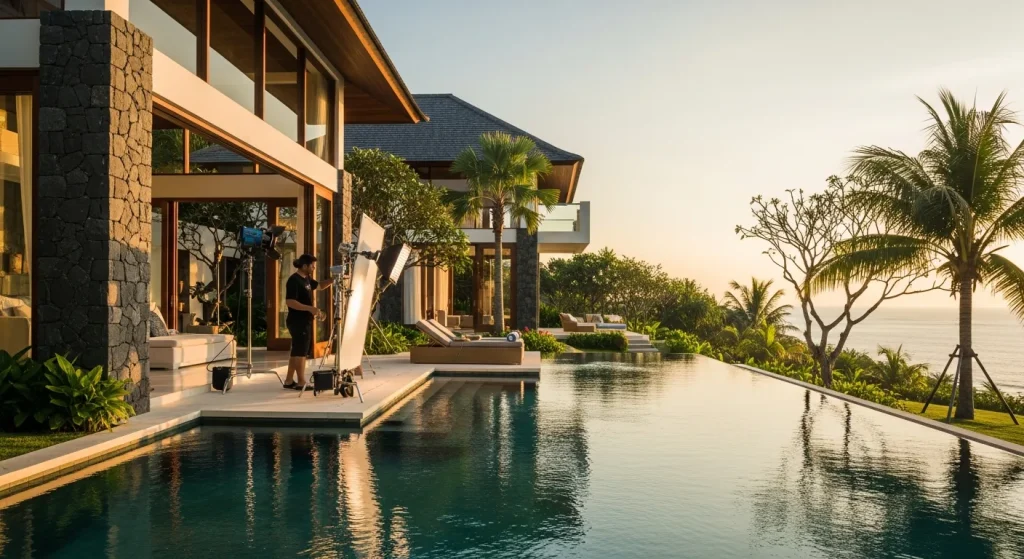
Sumba is emerging as Indonesia’s next sustainable luxury and eco-investment frontier. The market, downstream of Bali’s mature tourism and real estate ecosystem, is experiencing rapid growth. In 2026–2027, capital is shifting from saturated Bali toward eco-resorts, boutique villas, and land banking in Sumba.
How to Buy Land in Sumba Safely in 2027: 10 Critical Questions Every Buyer Must Ask First
For investors, family offices, HNW buyers, and funds considering Sumba, understanding the acquisition process is paramount. Sumba represents an emerging luxury investment zone for 2026, offering a strategic alternative to Bali and Lombok. The shift of capital from Bali to Sumba, driven by cost advantages, growing infrastructure, and evolving tourism demand, underscores Sumba’s potential. This guide outlines critical questions for safe land acquisition in 2027.
2027 Note on Sumba’s Investment Landscape
By 2027, Sumba’s investment landscape will continue to mature, particularly in West and Southwest Sumba. East Sumba is positioned for longer-horizon growth. Improved flight access (daily flights Bali–Tambolaka) and upgraded infrastructure in West Sumba, alongside new eco-resorts and boutique villa developments, will further establish Sumba as a significant destination for sustainable tourism, real estate, and agriculture. Land prices, while still below Bali and Lombok, will continue steady appreciation.
Understanding Market Dynamics and Growth Drivers
Sumba’s market demonstrates early-stage, high-growth dynamics. While a single official “Sumba eco-investment” market size figure is not available, indicators confirm its trajectory. Indonesia’s total investment, domestic and foreign, reached IDR 892.4 trillion in January–September 2022 across all sectors. Tourism and hospitality are priority sectors, with dedicated incentives for sustainable projects.
Foreign investors are increasingly allocating capital toward emerging regions east of Bali, notably Lombok and Sumba. Sumba is gaining attention as Indonesia’s next major destination for tourism, hospitality, and eco‑investments, with high-potential opportunities in sustainable tourism, real estate, and agriculture. Capital volume remains modest compared to Bali, but growth rates are high due to appreciating land prices and global eco-tourism interest.
1. What is the land’s zoning and permitted use?
Before any commitment, obtain clear documentation of the land’s zoning classification. Zoning dictates what can be built and for what purpose. Misinterpreting zoning can lead to significant delays, financial penalties, or even project abandonment. Sumba’s regional development plans prioritise sustainable projects. Verify if your intended use, such as an eco-resort or boutique villa, aligns with local spatial planning regulations (Rencana Tata Ruang Wilayah – RTRW).
2. Who are the true legal owners of the land?
Conduct thorough due diligence to verify the legal ownership of the land. This involves checking land certificates (Sertifikat Hak Milik – SHM or Sertifikat Hak Guna Bangunan – SHGB) at the National Land Agency (Badan Pertanahan Nasional – BPN). Ensure there are no multiple claims, disputes, or outstanding encumbrances on the property. Engaging a reputable local lawyer is essential for this step to navigate potential complexities with customary land rights or inheritance issues.
3. Are there any existing encumbrances or liens on the property?
A comprehensive lien search is critical. This identifies any mortgages, easements, rights of way, or other legal claims that could affect your ownership or use of the land. Unidentified encumbrances can severely impact the value and usability of the property. Your legal counsel should verify these details with the BPN and local authorities.
4. What is the current status of access to the property?
Verify legal and physical access to the land. This includes examining road access, public right-of-way, and any potential disputes with neighbours regarding access. Lack of proper access can render a property impractical for development. Confirm if the access roads are public or private, and if any easements are required. Infrastructure improvements in West Sumba are ongoing, but specific site access must be confirmed.
5. What permits are required for my development plans?
Understand the full scope of permits and licenses required for your proposed development. This includes building permits (Izin Mendirikan Bangunan – IMB), environmental impact assessments (Analisis Mengenai Dampak Lingkungan – AMDAL, if applicable), and any specific permits for tourism or hospitality operations. Proactive engagement with local government offices is necessary to ascertain all requirements and timelines.
6. What is the local community engagement process?
Sumba’s cultural context necessitates respectful engagement with local communities. Understand local customs, traditions, and the process for gaining community acceptance for your project. This can involve consultations with village elders (Kepala Desa) and community leaders. Building strong local relationships is crucial for long-term project success and stability, particularly for sustainable eco-investments.
7. What are the tax implications of land ownership and development?
Seek advice from a qualified tax consultant regarding all applicable taxes. This includes land and building tax (Pajak Bumi dan Bangunan – PBB), income tax on rental revenue, and any other relevant levies. Understanding the tax landscape is vital for accurate financial projections and compliance. Indonesia offers dedicated incentives for sustainable projects, which may impact tax liabilities.
8. What infrastructure is available on or near the land?
Assess the availability of essential infrastructure: electricity, water, and internet connectivity. While Sumba’s infrastructure is improving, particularly in West Sumba, some areas may lack direct connections. Factor in the costs and feasibility of bringing these utilities to your property. This directly influences development costs and operational viability.
9. How will climate change and environmental factors impact the land?
Given Sumba’s focus on sustainable eco-investment, evaluate environmental considerations. Assess the land’s vulnerability to natural events such as erosion, flooding, or seismic activity. Understand local environmental regulations and ensure your development plans align with conservation principles. This protects your investment and aligns with Sumba’s eco-tourism mandate.
10. What is the exit strategy for this investment?
Consider your long-term investment horizon and potential exit strategies. While land prices in Sumba are appreciating steadily, especially in West/Southwest Sumba, understanding market liquidity and potential buyer pools is important. Whether through resale, development and sale, or long-term rental income, a clear exit plan provides a framework for your investment decision.
| Category | Key Considerations | Action Required |
|---|---|---|
| Legal Ownership | Verification of legal owners, absence of disputes, encumbrances | BPN checks, lawyer due diligence |
| Zoning & Permits | Permitted land use, required building/operational permits | Local government consultation, permit applications |
| Access & Infrastructure | Road access, availability of utilities (electricity, water, internet) | Site visit, utility provider consultation |
| Community & Environment | Local engagement, environmental impact, climate resilience | Community consultation, environmental assessment |
| Financial & Exit | Tax implications, market liquidity, resale potential | Tax consultant advice, market analysis |
Sumba represents a compelling opportunity for investors seeking early-stage, high-growth dynamics in sustainable luxury and eco-tourism. By addressing these critical questions, buyers can navigate the acquisition process with confidence and secure their investment safely.
For further guidance on how to buy land in Sumba and to discuss your investment strategy, book an investment consultation on WhatsApp with Sumba Eco Investment.